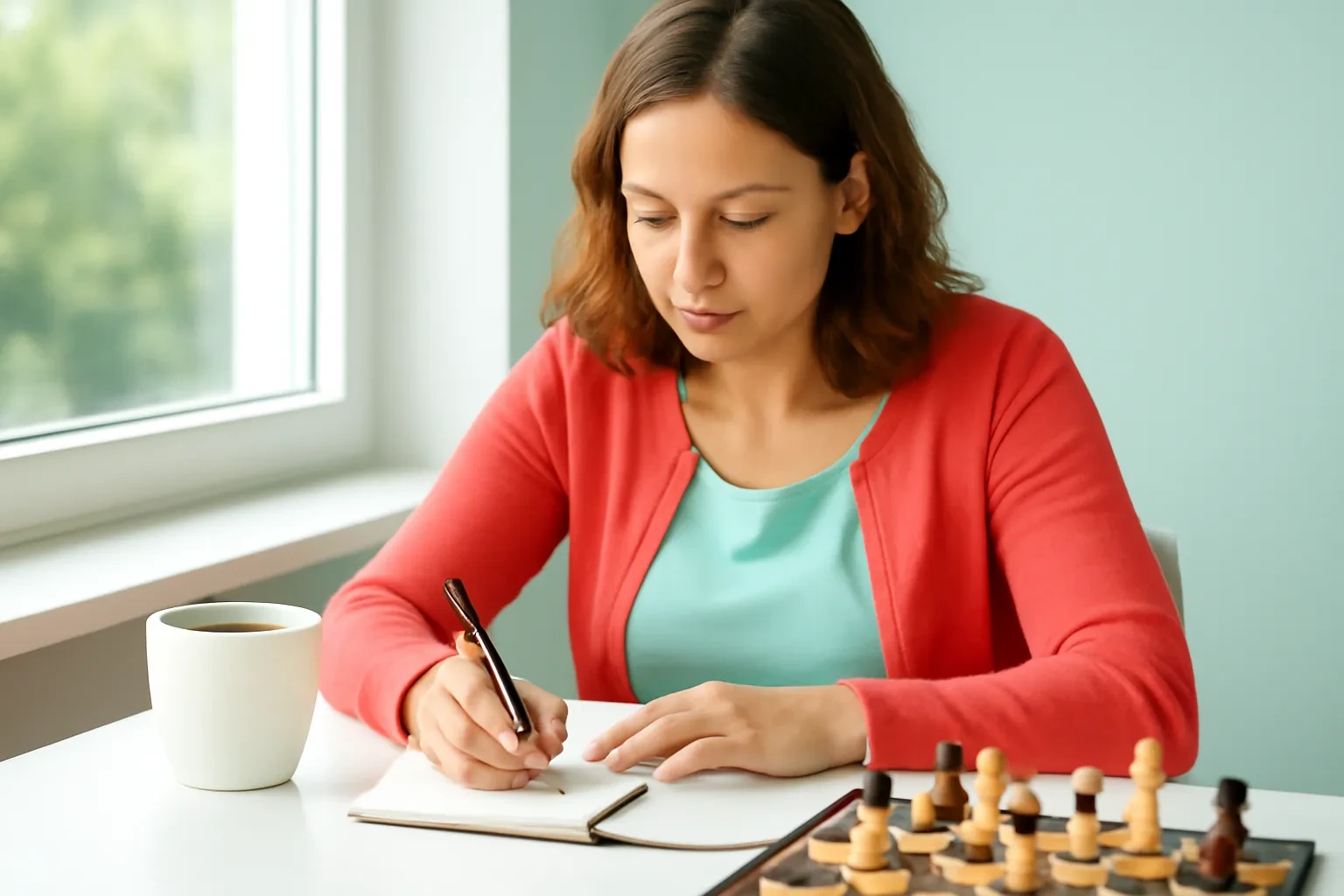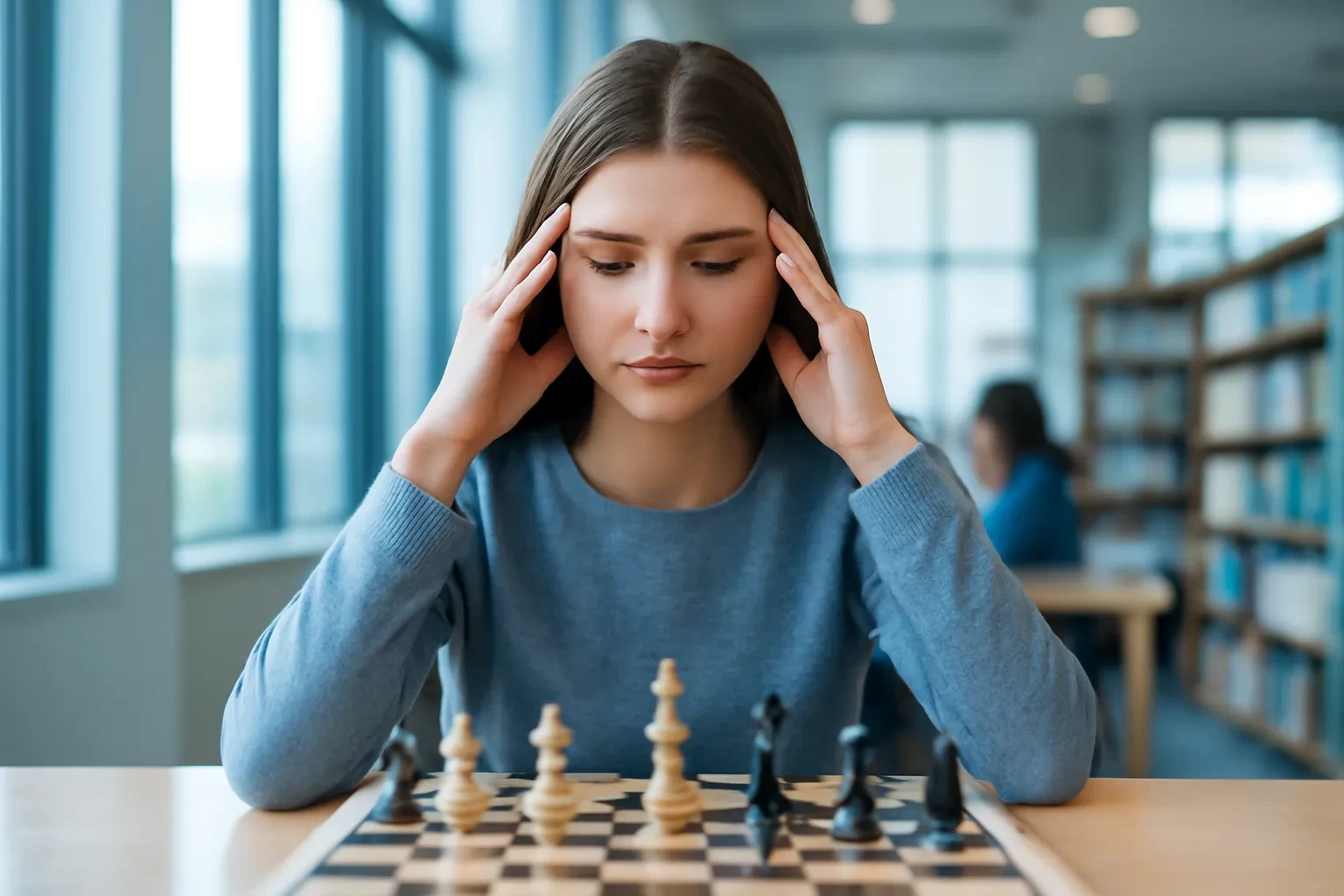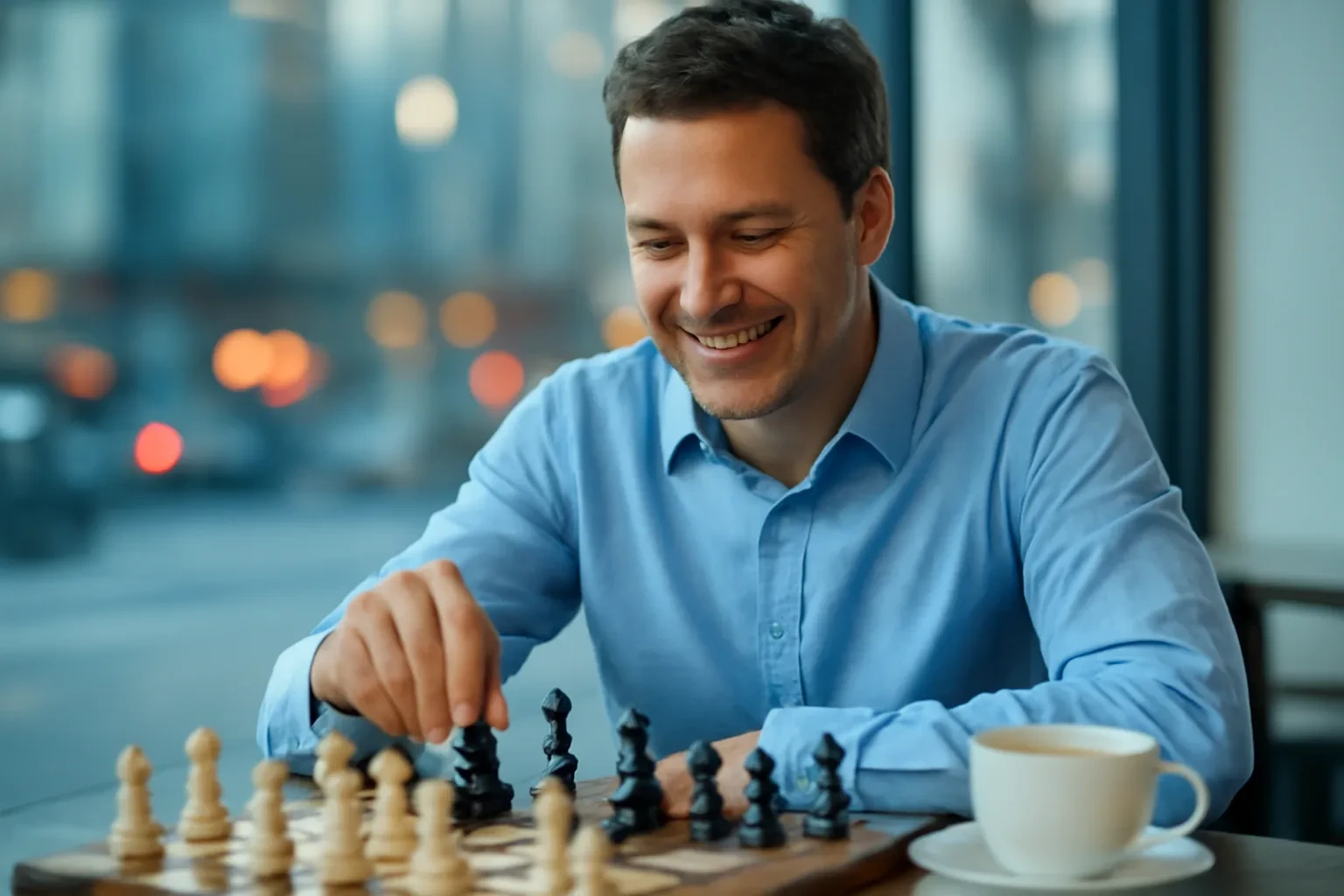
"I'm thirty, forty, fifty. Is it too late to get good at chess?" It's one of the most common questions from adult learners, and many give up before they even try.
The short answer: it isn't too late. Adults can learn chess, play well, and keep improving for years. Some things are different from learning as a child, but adults also have real advantages. This article covers those advantages, realistic expectations, a plan that fits a busy life, and ways to stay motivated.
What adults do better than kids
- Discipline and planning. Adults can set goals, keep a schedule, and study deliberately without someone reminding them.
- Understanding why. Kids often learn by imitation; adults can grasp the principles behind moves, which helps retention.
- Self-assessment. Adults are good at reviewing their own performance and adjusting their approach.
- Choosing good resources. Adults can pick a structured course, a coach, or a study method that suits them.
What's different
- Less free time. Work and family come first. Your plan must be short and consistent.
- Speed can be harder. Very fast calculation and bullet reflexes may develop more slowly. In longer games, careful thinking compensates a lot.
- Fear of losing. Many adults hate losing, especially to kids. This is often the biggest barrier. Every strong player has lost thousands of games.
Realistic expectations
With consistent practice of 20–30 minutes most days:
- First few weeks: comfortable with the rules, playing complete games, basic checkmates.
- A few months: far fewer pieces lost for nothing, spotting simple tactics, beating most casual players.
- A year or two: comfortable in club play or local tournaments, with a small opening repertoire and some endgame technique.
You don't need to aim for master titles to get enormous enjoyment from chess. Many adults play for the pleasure of the game, for mental exercise, and for the friendships it brings.
A plan that fits a busy life
Daily (15–20 minutes)
- Tactics puzzles, solved carefully. See how to solve puzzles.
- Or a short review of a recent game.
Two or three times a week (30–45 minutes)
- One slow game, 15+10 or longer, followed by a quick review.
Weekly (30 minutes)
- One endgame topic: opposition, rule of the square, basic rook endgames. See endgame principles.
Monthly
- Review your progress: look at your mistake journal, your rating in slower formats, and how your games have changed. See mistake journal.
This totals about two to three hours a week, spread into manageable pieces.
Where to play
- Online, for convenience. Choose opponents near your level and prefer slower time controls.
- A local club, for real opponents, advice, and community. Many clubs welcome adult beginners.
- Friends and family, for fun and motivation.
- Against the engine on the play page, when you want practice without pressure.
Should you get a coach?
A coach isn't required, but can help if:
- You've plateaued despite consistent effort.
- You want a structured plan and accountability.
- You're preparing for tournaments.
Many adults do well studying alone for the first year, then add occasional lessons.
Staying motivated
- Set process goals, not only result goals: "Solve puzzles five days this week" is more controllable than "Gain 100 rating points."
- Track small wins: your first rook checkmate, your first tournament game, a month without hanging a queen.
- Find a chess friend to share games and progress with.
- Accept plateaus. Progress in chess comes in steps, not a smooth line. See breaking a rating plateau.
- Remember why you started. Enjoyment is a perfectly good reason to play.
Common mistakes adults make
Studying too much opening theory. Adults like structure and can fall into memorizing lines. Tactics matter far more early on.
Playing mostly blitz. Convenient, but hard to learn from. See best time control to improve.
Not reviewing games. Repeating the same mistakes.
Quitting after a losing streak. Everyone has them.
Avoiding kids at the club. Kids are often excellent practice opponents.
A sample week for a working adult
Here is how one realistic week might look for someone with a full-time job:
- Monday: 15 minutes of puzzles during the lunch break.
- Tuesday: one 15+10 game in the evening, then five minutes finding the turning point.
- Wednesday: 15 minutes of puzzles.
- Thursday: 20 minutes on one endgame idea, played out against the engine.
- Friday: rest, or a few relaxed blitz games for fun.
- Saturday: two slow games at a club or online, each reviewed briefly.
- Sunday: 15 minutes rereading the week's lessons and choosing one focus for next week.
Some weeks will be busier and you'll only manage half of this. That's fine. The habit matters more than any single week.
Learning from your games as an adult
Adults have one big advantage when reviewing games: they can be honest and analytical about their own thinking. After each slow game, ask three questions:
- Where did the game turn? Find the one or two moves where the evaluation changed most.
- What was I thinking at that moment? Try to remember your actual reasoning.
- What habit would have prevented the mistake? Turn it into a one-line rule.
Write the answers in your mistake journal. After a month, you'll see which habits need the most work, and your study time can target exactly that.
Chess and a healthy routine
Chess is mentally demanding. Adults often play late at night after a long day, which is exactly when mistakes multiply. When you can, play your serious games when you're rested, keep water nearby, and take short breaks between games. Treat a slow game like a small workout for the mind: a bit of preparation and recovery makes it more effective and more enjoyable.
Frequently asked questions
Is it too late to learn chess as an adult?
No. Adults can learn chess and keep improving for years with consistent practice.
How much should an adult practice?
About 20–30 minutes on most days, plus two or three slow games a week, is enough for steady progress.
Can adults become strong players?
Many adults reach a good club level. Your progress depends on consistency, the quality of your practice, and enjoying the process.
Should I play kids at my local club?
Yes. Kids are often strong, fast-improving opponents and great practice.
Do I need a coach?
Not necessarily. Many adults do well on their own at first and add lessons later if they plateau. More improvement guides are in the improvement section.
Is it normal to feel slower than younger players?
Yes, especially in fast time controls. Many adults find their calculation speed develops more slowly than a child's, but they compensate with better planning and more careful thinking. Focusing on slower games plays to those strengths and makes the difference much smaller.