 Chess Rules
Stalemate vs Checkmate: The One Rule That Turns Wins Into Draws
Checkmate wins the game, stalemate draws it. Learn the exact difference with diagrams, the positions where stalemate hides, and how to use it when losing.
Four board games, one MuuTri account — your sign-in follows you.
Chess Rules
Checkmate wins the game, stalemate draws it. Learn the exact difference with diagrams, the positions where stalemate hides, and how to use it when losing.
 Endgames
King and rook against a lone king is always a win within 16 moves. Learn the box method, the opposition finish and the waiting move that beginners miss.
 Beginners
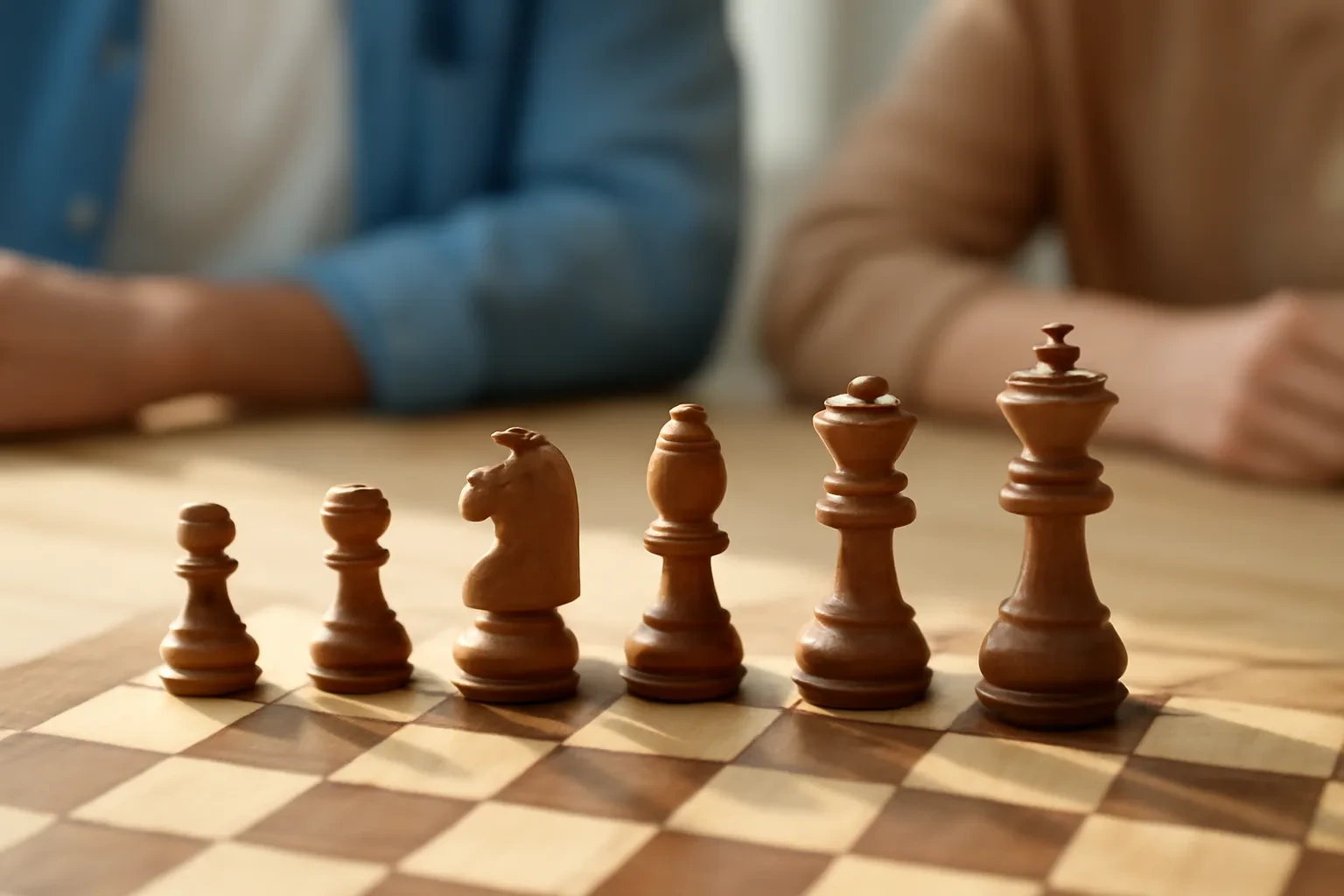
Why a knight is worth three pawns and a queen nine, how to count trades correctly, and the common situations where the point values lie to you.
 Openings
Center, development, king safety, tempo and patience with the queen: five opening principles, why they work, a ten-move checklist, and when to break them.
 Beginners
Algebraic notation is the language of chess books, websites and scoresheets. Learn to read and write moves like Nf3, Bxe5+, O-O-O and e8=Q, plus the ! and ? sym
 Chess Rules
Castling moves two pieces at once. The five conditions that must all hold, the myths people argue about, how to castle in tournaments, and which side to choose.
 Beginners
Starting chess is easier than it looks if you learn things in the right order. A seven-day plan, the three habits that matter most, and what beginners can skip.
 Chess Rules
En passant is the chess rule most people learn last and argue about most. The exact three conditions, examples for both colors, how to write it, and the edge ca
 Beginners
A four-week plan for new players: what to study each week, how much to play, which habits to build, and the checkpoints that tell you you're ready for the next
 Openings
A solid reply to 1.e4 with a healthy pawn structure. The main Caro-Kann lines explained simply, typical plans for Black, and a famous early checkmate to avoid.
 Beginners
 improve fastest with a simple, balanced routine. A weekly plan mixing slow games, tactics, basic endgames, and reviewing your own games.
 Time Control
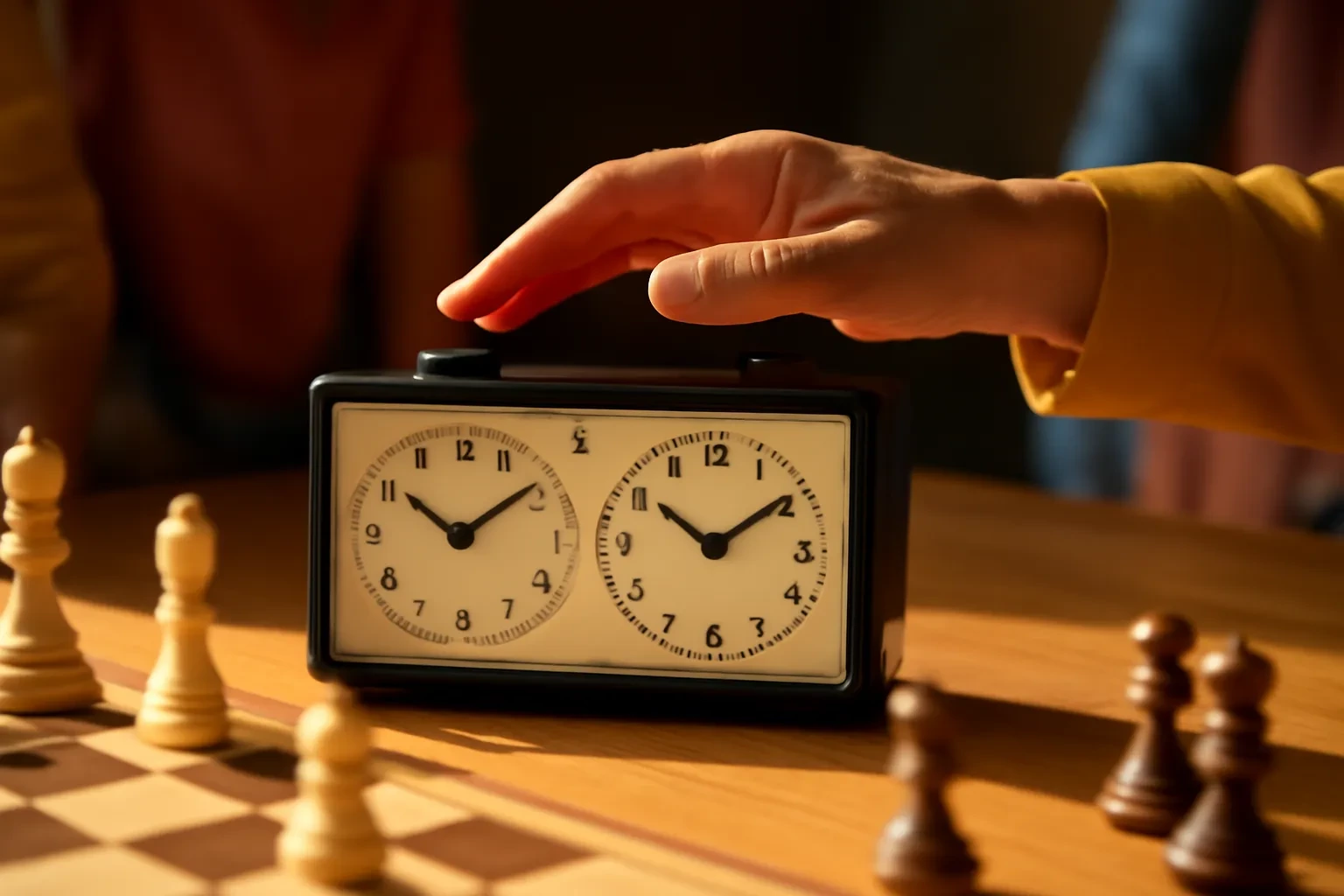
Time control shapes what you learn. Why slower games teach more, recommended formats by level, how increment helps, and how to mix fast and slow games.