Online chess is forgiving about one thing: you cannot accidentally "touch" a piece. Over the board, you can. And in a serious game, that touch can decide which move you are allowed to make.
The touch-move rule catches many players off guard in their first club game or tournament. This article explains what it says, how to adjust a piece without breaking it, how draw offers and the clock work, and the unwritten etiquette that makes chess pleasant for everyone.
Rules vary slightly between organizations and events. What follows reflects the general principles used in most standard tournaments; always check the rules of your event and ask the arbiter when in doubt.
The touch-move rule
In a rated or tournament game, the basic principle is:
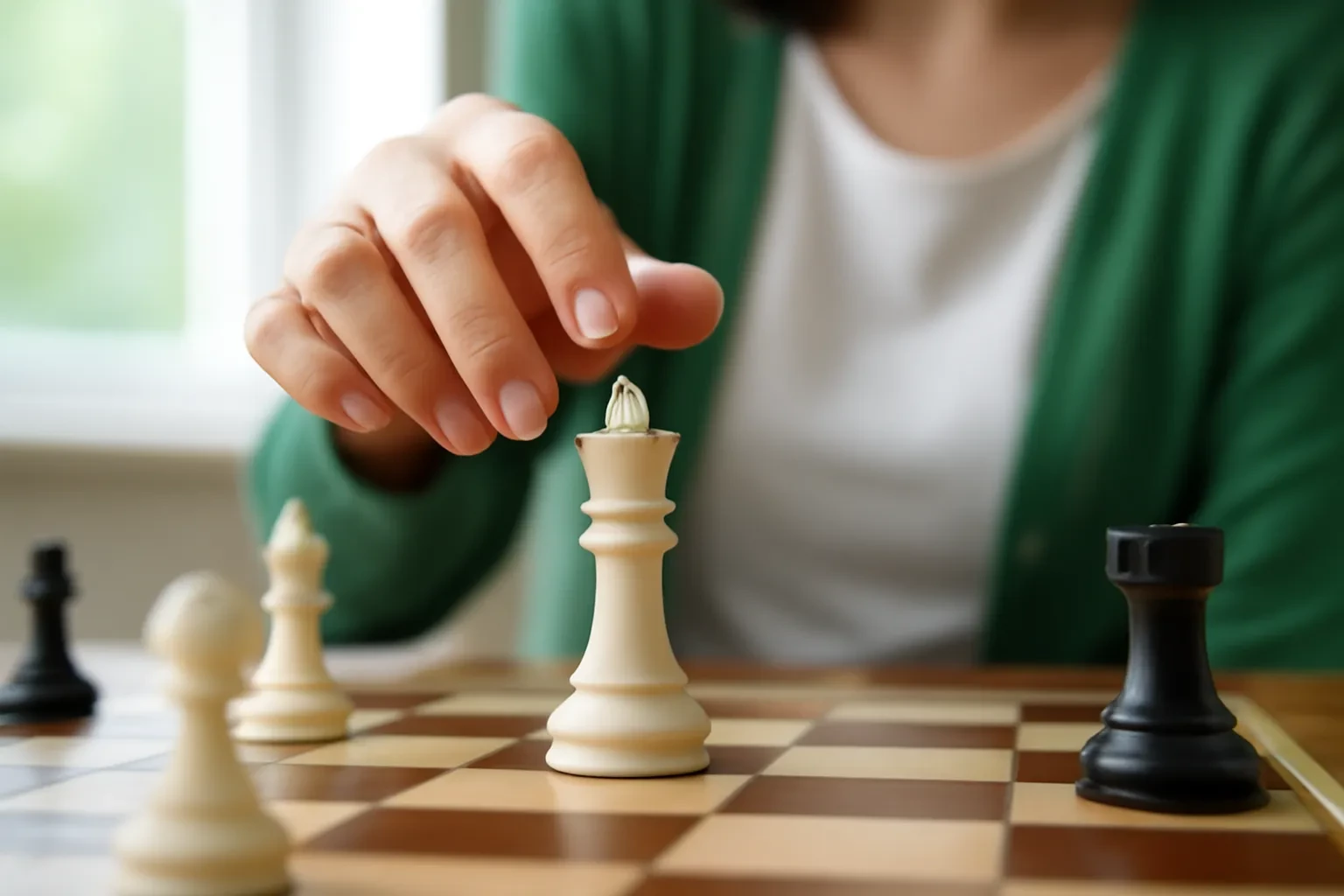
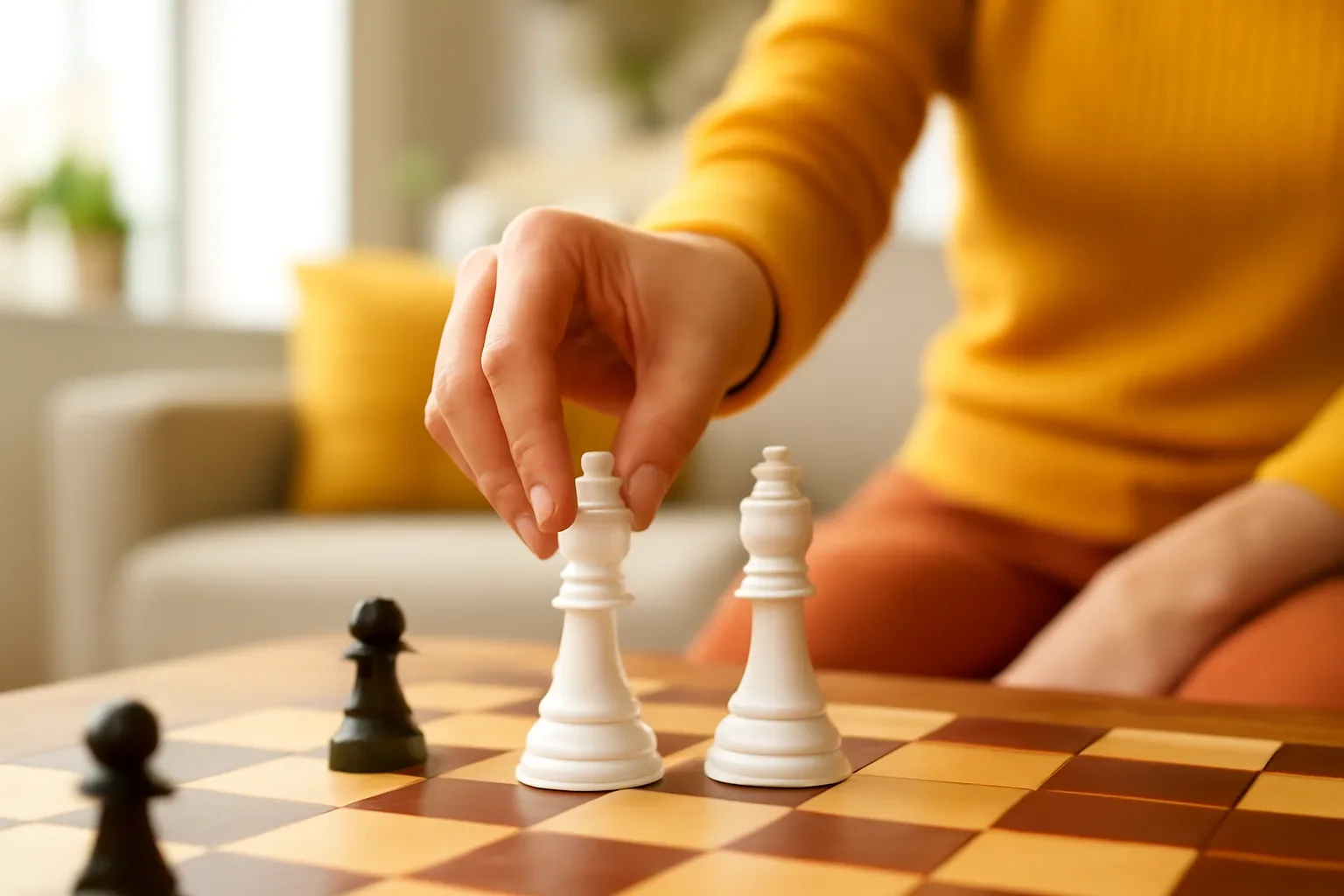
- If you deliberately touch one of your own pieces, you must move it, provided it has a legal move.
- If you deliberately touch one of your opponent's pieces, you must capture it, provided you can legally do so.
- Once you release a piece on a square with a legal move, the move is made. You cannot pick it up and put it somewhere else.
"Deliberately" matters. Brushing a piece accidentally with your sleeve is not the same as picking it up. But the safest habit is to keep your hands off the board until you have decided.
If the touched piece has no legal move, there is no penalty and you may move something else.
How to adjust a piece
Pieces sometimes sit crooked on their squares. You are allowed to straighten them, but only if you announce it first.
- Say "I adjust" (or the traditional French "j'adoube") before touching the piece.
- Adjust only on your own turn.
- Do not use adjusting as an excuse to reconsider a move you already started.
If you touch a piece without announcing first, your opponent can claim that you must move it.
Castling and touch-move
To castle, touch the king first and move it two squares, then move the rook. If you touch the rook first, some rule sets treat that as a rook move, and you might lose the right to castle on that move. See castling rules for the full conditions.
Promotion
When promoting a pawn, place the new piece on the promotion square. If the piece you want is not next to the board, stop the clock and ask the arbiter for one. Do not leave an upside-down rook to represent a queen in a serious game; it may be ruled a rook.
The chess clock
- Press the clock with the same hand you moved with.
- Complete your move before pressing. Pressing the clock while the piece is still in your hand is not allowed.
- Do not slam the clock. It is both rude and bad for the clock.
- Stop the clock only to call the arbiter, for example to report an illegal move or ask for a promotion piece.
For how time controls and increments work, see what is increment.
Offering a draw
The proper order is:
- Make your move.
- Offer the draw clearly, for example "Would you like a draw?"
- Press your clock.
Your opponent can accept, decline, or simply make a move (which counts as declining). Do not repeat draw offers over and over. Once or twice in a game is reasonable; more than that can be treated as disturbing the opponent. For the ways a game can end drawn, see draw rules in chess.
Unwritten etiquette
These are not always in the rulebook, but experienced players expect them:
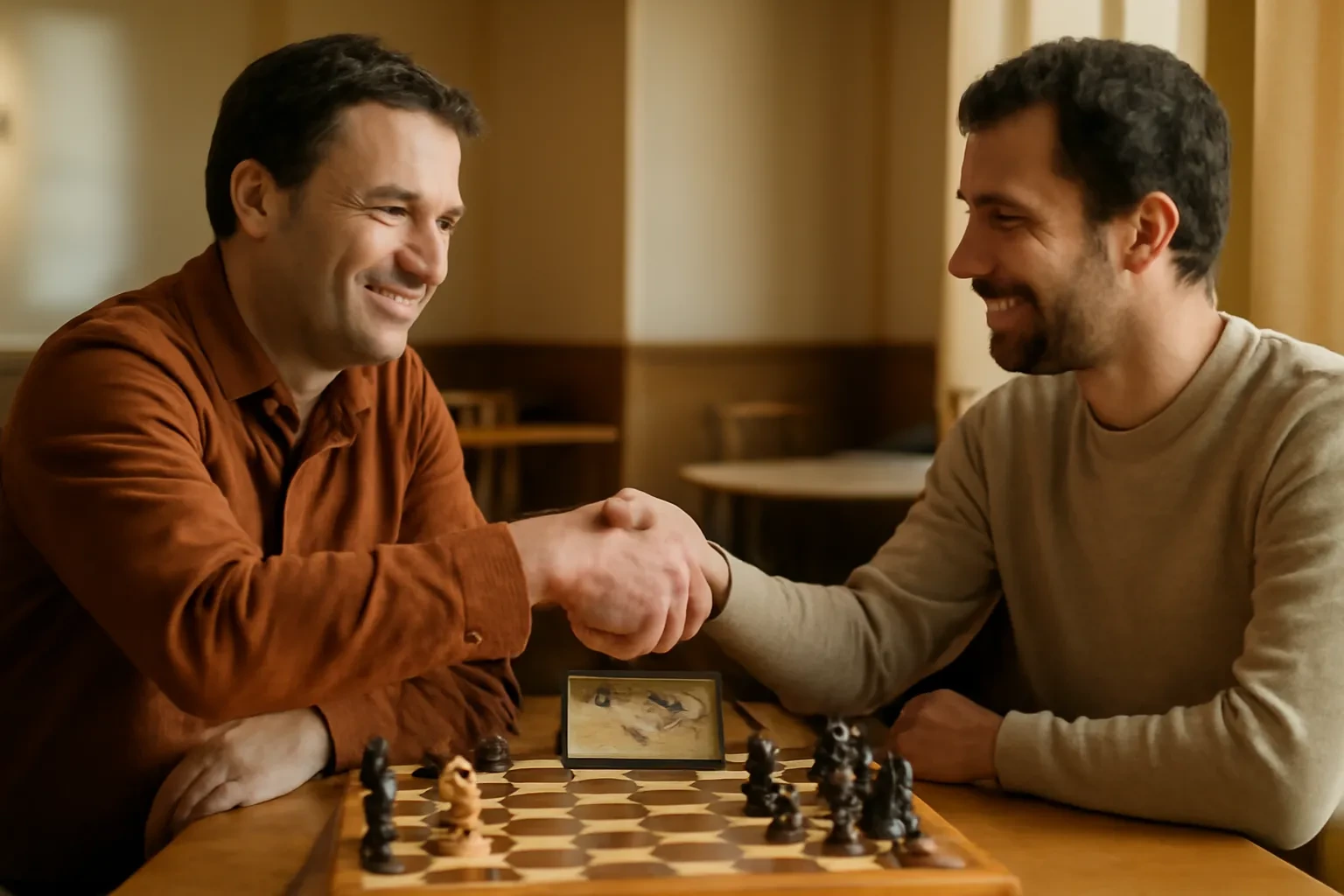
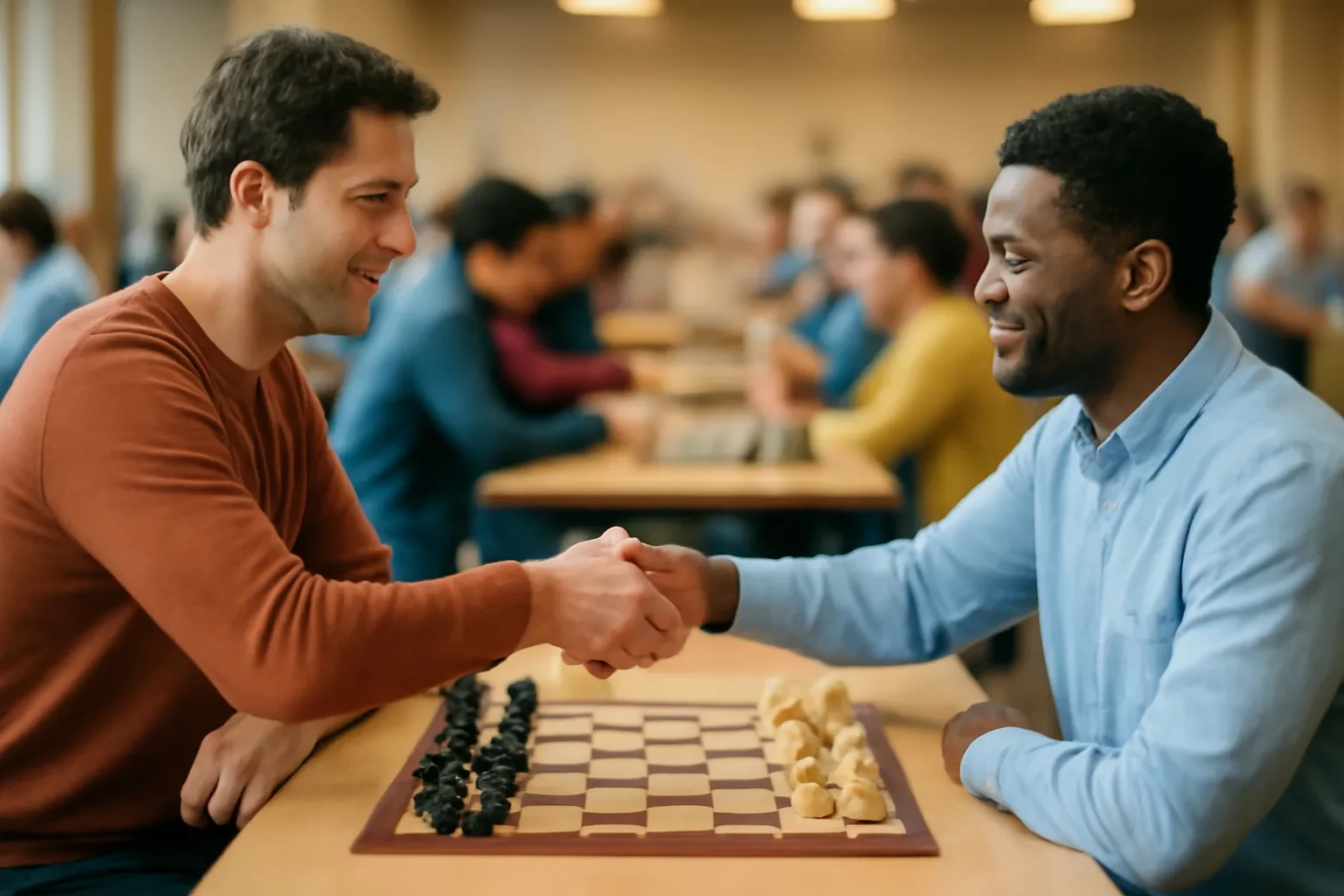
- Shake hands before and after the game, whatever the result.
- Stay quiet at the board. No commentary, humming, or tapping.
- Do not hover over other games. If you watch, stand back and stay silent.
- Resign properly: tip your king, offer your hand, or say "I resign." Do not simply walk away or let your clock run out on purpose.
- Do not analyze next to games in progress. Take your post-game discussion to a separate area.
- Keep your phone off and away. In most tournaments, a phone that rings or is found on you can lose you the game.
- Be gracious in victory. No gloating, no lecturing the loser.
- Be gracious in defeat. Congratulate your opponent even if it hurts.
What to do if your opponent breaks a rule
- Stop the clock and call the arbiter. Do not argue directly with your opponent.
- Explain calmly what happened.
- Accept the arbiter's decision. Arbiters see these situations all the time.
In casual games, a friendly reminder usually works better than a formal claim.
Casual games
In friendly games at home, in a park, or with family, you can agree on relaxed rules, including allowing take-backs. The important thing is to agree beforehand, so nobody feels cheated halfway through. If you are practicing for a tournament, try playing strict touch-move even in casual games to build the habit.
Common mistakes for new over-the-board players
Touching a piece while thinking. Many online players hover their hand over the board. Keep your hands in your lap until you decide.
Adjusting without saying "I adjust."
Pressing the clock before letting go of the piece.
Offering a draw on the opponent's time, which disturbs their thinking.
Talking about the game during play, even to friends watching.
Getting ready for your first over-the-board game
If you have only played online, a few practice habits make the transition easier:
- Play some games on a physical board at home with touch-move rules, so your hands learn to wait.
- Practice with a clock, pressing it with the same hand you move with.
- Learn to record your moves on a score sheet if your event requires it.
Frequently asked questions
What is the touch-move rule?
If you deliberately touch one of your pieces, you must move it if it has a legal move. If you touch an opponent's piece, you must capture it if you legally can.
How do I straighten a piece without having to move it?
Say "I adjust" or "j'adoube" before touching it, and do it on your own turn.
Does touch-move apply in casual games?
Only if the players agree. In tournament and rated games, it applies.
When should I offer a draw?
After making your move and before pressing your clock.
Can I take back a move if I release the piece on the wrong square?
Not in a serious game. Once you let go of a piece on a legal square, the move stands.